






Dear Friends and Neighbors,
It’s been a few weeks since my last email update, and there’s a reason for the radio silence. During election season, state law places restrictions on how legislators can use official legislative communications. Now that those restrictions have ended, I’m glad to be back in your inbox and able to share what I’ve been working on for the 8th District.
While my legislative email updates had to take a break, I certainly didn’t. The past several months have been busy, with opportunities to meet with community members, local leaders, businesses and organizations and talk about the issues important to the Tri-Cities and our state.
Here’s a snapshot of where I’ve been:
- Spoke at the AWB Spring Conference
- Attended the WSU Tri-Cities commencement ceremony
- Participated in the Central Washington Energy Summit
- Joined the Washington Rural Electric Cooperative Association’s 2026 Energy Summit
- Met with the Washington Oil Marketers Association
- Participated in the PNNL/LEHI Legislative Class
- Met with the Washington Economic Development Association
- Participated in the Benton, Franklin and Walla Walla Counties Good Roads & Transportation meeting
- Attended the Hanford Business Opportunities Exchange
- Participated in Fusion Week, including a discussion on Washington’s fusion energy policy landscape
- Attended the CleanTech Innovation Showcase
- Joined the City of Kennewick’s observance marking the 25th anniversary of the Sept. 11 attacks
From energy and transportation to economic development, Hanford and higher education, it’s been a busy few months. These conversations help keep me connected to what’s happening across our region and the issues that matter to the people I represent.
Now, let’s get to what’s ahead.
Spending, priorities and the road ahead
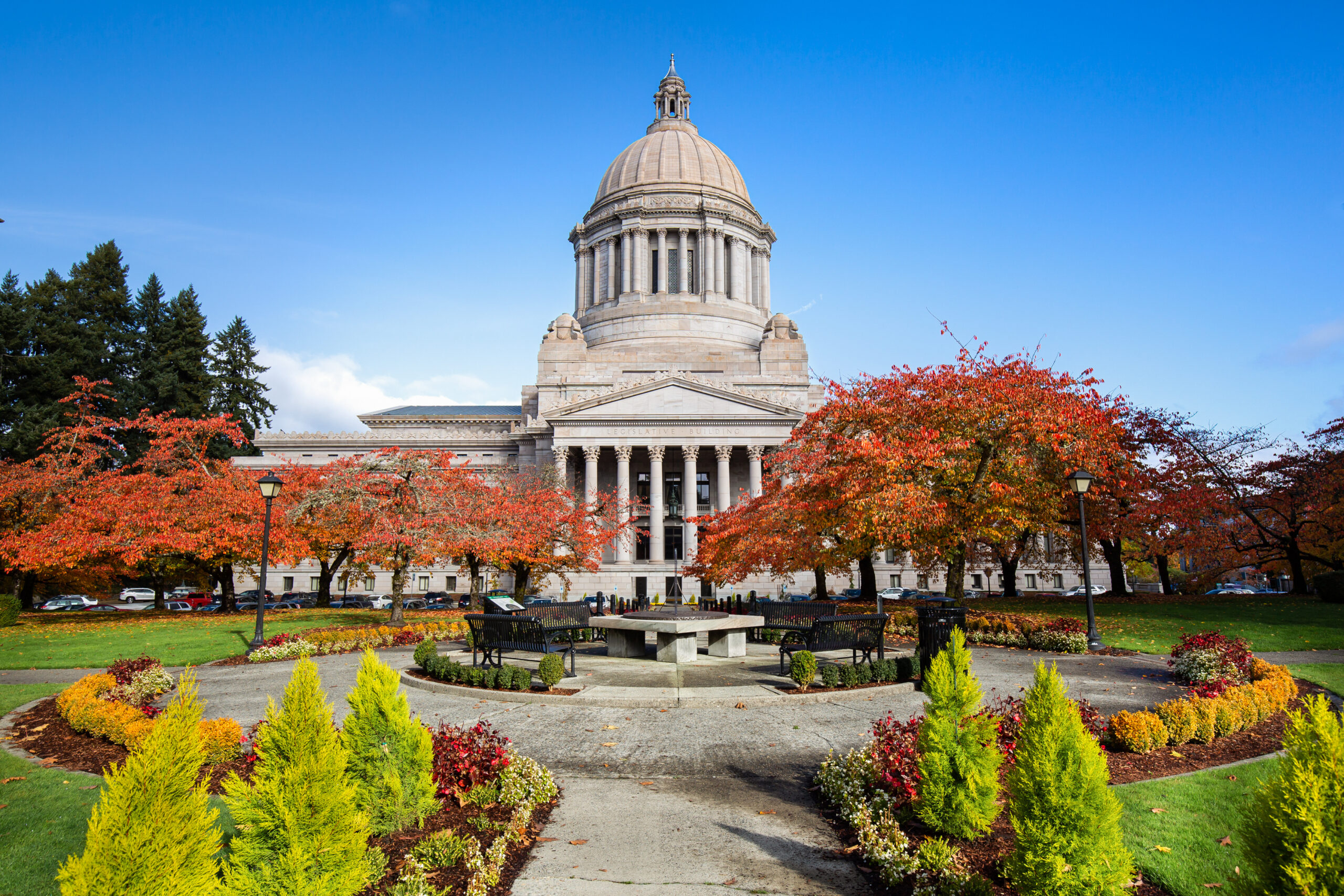
Labor Day has come and gone, kids are back in school and summer is officially behind us. Around the Legislature, that means attention is starting to turn toward January and the 2027 legislative session.
And boy, do we have our work cut out for us.
A little background: Washington operates on a two-year budget cycle. In odd-numbered years, like 2027, the Legislature meets for 105 days and writes a new two-year state budget. Even-numbered years have a shorter, 60-day session, when lawmakers typically make adjustments through a supplemental budget.
The budget will be one of the biggest issues facing us next session.
I’ve heard from several people who have contacted my Senate office concerned about the number of new taxes and fees approved in recent years. I share that concern. Last year alone, the Legislature approved a package projected to increase state and local taxes by more than $12 billion over four years. I did not support these tax increases.
Here are just a few of the increases approved in 2025:
- Sales taxes were expanded to services including advertising, IT support, custom website development, security services and temporary staffing.
- B&O taxes increased for many businesses, with additional increases still scheduled to take effect.
- Hunting and fishing license fees increased 38%.
- The Discover Pass increased from $30 to $45.
- Marriage licenses now cost an additional $100.
- Lawmakers expanded local school levy authority beginning with the 2026 tax year.
Yet after all those tax and fee increases, we’re once again heading toward a session with a difficult budget picture.
The problem, in my view, isn’t that Washington isn’t collecting enough money. It’s that state spending has grown too quickly. The 2026 supplemental operating budget brought spending for the current two-year budget to about $80.2 billion, $2.35 billion more than the budget enacted just a year earlier. The final budget also relied on unrestricted reserves, the Rainy Day Fund and other resources and assumptions to make the numbers work.
The next state revenue forecast is due Sept. 25 and will give us updated numbers as we prepare for the upcoming session. We won’t have the clearest picture of the next maintenance-level budget until the November revenue and caseload forecasts, so I’m not going to put a dollar figure on the potential shortfall today.
But the larger issue is already clear to me: We don’t have a revenue problem. We have a spending problem.
The answer cannot be to come back to families and businesses year after year and ask for more money. We need to reprioritize the money the state already collects, protect essential services, look closely at what is working and what isn’t, and bring the growth in spending under control. That’s the budget conversation I believe we need to have in 2027.

Federal digital equity grant opportunity
I also want to pass along a federal funding update that may be of interest to local governments, nonprofits, schools and other organizations in our community.
The National Telecommunications and Information Administration is working to reopen its Digital Equity Competitive Grant Program, which provides grants directly to eligible organizations for projects that expand broadband adoption, digital skills and access to connectivity. Eligible applicants can include local governments, nonprofits, community anchor institutions, school districts and workforce-development organizations.
NTIA is currently accepting public comments on the application materials for the program. Comments are due Oct. 26. The Department of Commerce has said it is targeting December 2026 for the release of a new Notice of Funding Opportunity, although that timeline could change.
The Benton Institute for Broadband and Society also has a helpful overview of the program and anticipated timeline.
If your organization works on broadband access, digital skills, or helping people better connect to technology, this is an opportunity worth keeping an eye on.
Stay connected
As always, my office is here to serve you. If you have a question, concern or an issue involving state government, please don’t hesitate to reach out. Hearing from you helps me better represent the 8th District in Olympia.
As we get closer to the 2027 legislative session, you’ll be hearing from me every couple of weeks with updates on what I’m working on, what I’m hearing from our community and what to expect when we return to Olympia in January.
You can also stay up to date on what my Senate Republican colleagues and I are working on by following our caucus on Facebook, X, YouTube and Instagram.
Thank you for staying engaged, and I look forward to hearing from you.
 Sen. Matt Boehnke, 8th Legislative District