




Sen. Matt Boehnke, R-Kennewick/Courtesy of the Washington State Senate
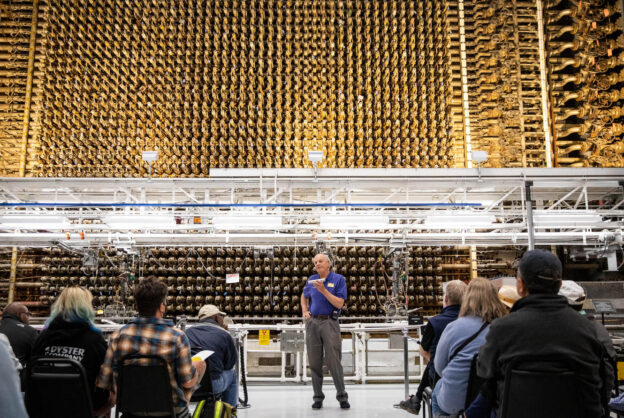
Last month marked a historic milestone for Hanford — and a turning point for the Tri-Cities region that has stood at the center of America’s nuclear legacy for generations. After decades of research, construction, and collaboration, the Hanford Site has officially begun transforming liquid nuclear and chemical waste into stable, solid glass through a process known as vitrification.
For the first time, waste stored for decades in Hanford’s aging underground tanks is being safely converted into solid glass logs, utilizing extreme heat — exceeding 2,000 degrees — to immobilize hazardous materials. This is an incredible scientific and engineering achievement, and a significant step forward in one of the most complex environmental cleanups anywhere in the world.
Hanford’s Waste Treatment and Immobilization Plant has been decades in the making. Construction began in 2002, supported by the hard work of thousands of skilled employees, engineers, scientists, and tradespeople, many of whom reside in the Tri-Cities. Their expertise and commitment made this possible.
Today, we can finally see the results of their dedication in the form of real progress toward a cleaner, safer Columbia Basin.
From the Manhattan Project to the Cold War, Hanford played a critical role in protecting our nation. But that legacy also came with challenges. For years, our region has carried the responsibility of ensuring the federal government lives up to its commitment to clean up what was left behind. This milestone shows what can happen when science, technology, and persistence come together for the good of our communities.
The vitrification process won’t eliminate radioactive waste, but it stabilizes it, making it far safer to manage and store. That means stronger protection for the Columbia River, for local agriculture and industry, and for the families who depend on this region’s natural resources.
The cleanup mission at Hanford continues to support thousands of family-wage jobs that drive our local economy and build the next generation of technical talent. These men and women, scientists, welders, operators, and engineers, are part of one of the most highly skilled workforces in the nation. Their professionalism and innovation are leading the way in safe, sustainable cleanup technologies that have global significance.
As your state senator, I’m committed to making sure the federal government keeps its promises to the people of the Tri-Cities. Washington taxpayers have invested decades into this work, and we deserve transparency, accountability, and consistent federal support to see it through.
Our local communities have done their part, and it’s time for Washington, D.C. to do its part.
This milestone is not the end of the Hanford story; it’s the beginning of a new chapter in innovation and environmental stewardship. Turning nuclear waste into glass represents one of the most advanced methods of waste stabilization in the world. It’s proof that when we invest in science and technology and keep our commitments, we can solve even the most challenging problems.
To everyone who has worked toward this day. The engineers, cleanup crews, contractors, local leaders, and advocates. I thank you. Hanford’s progress shows what can happen when a community leads with innovation, works together, and stays focused on building a safer, cleaner, and more sustainable future for all of Washington.
Stay informed about ongoing cleanup progress at Hanford and the technologies driving this historic effort by visiting Hanford.gov for project updates and community resources.